
Advanced Care for Complex Oral & Facial Needs
Some oral and facial conditions require highly specialized care. Our oral and maxillofacial surgeons provide advanced treatment for developmental conditions, facial and jaw injuries, oral pathology, skeletal concerns, and patients who may benefit from sedation during treatment.
Specialized Oral Surgery Services
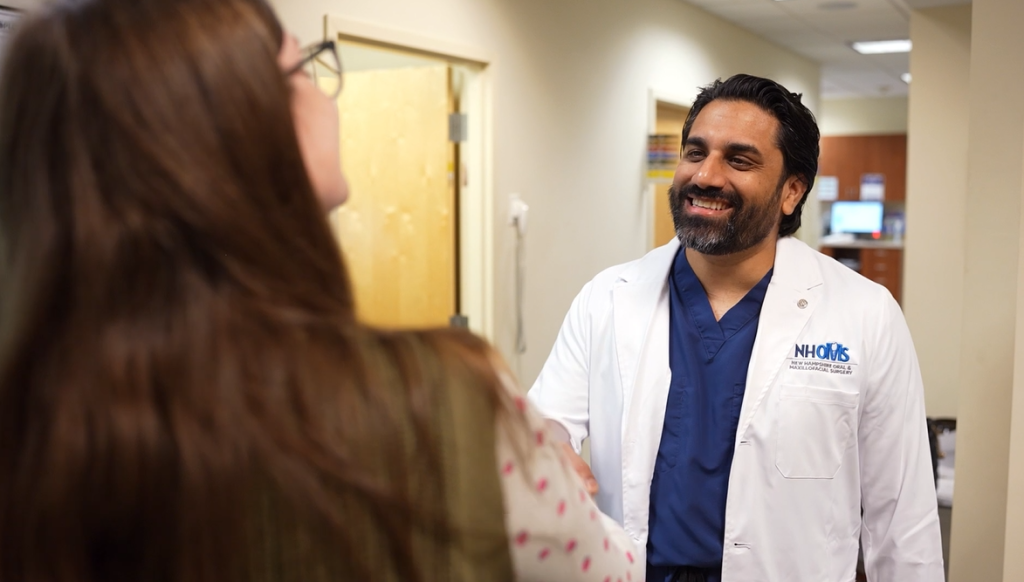
Every patient and condition is different. NHOMS provides specialized surgical care designed around each patient’s diagnosis, needs, and treatment goals.
Cleft Lip & Palate
Specialized surgical care can help address cleft lip and cleft palate conditions while supporting appearance, muscle function, eating, speech, and development.
Distraction Osteogenesis
An advanced surgical technique that gradually encourages new bone formation to address certain oral and facial skeletal conditions.
Oral Pathology
Evaluation of unusual changes, sores, lumps, or other abnormalities of the mouth and surrounding tissues to help identify potential oral health concerns.
Oral Trauma & Jaw Surgery
Specialized treatment for facial injuries, jaw fractures, misalignment, and other conditions affecting the function or structure of the jaws and face.
Sedation Dentistry
Sedation options can help patients remain relaxed and comfortable throughout oral surgery and other procedures.
Cleft Lip & Palate
Cleft lip and cleft palate develop when areas of the face or roof of the mouth do not completely join during development. A child may be born with a cleft lip, a cleft palate, or both, and the severity can vary from one patient to another.
Surgical treatment is designed to repair the affected area while supporting both function and appearance. Because every case is different, treatment and timing are determined according to the individual patient’s needs and overall health.
Goals of Cleft Treatment
Treatment may help:
- Close the separation in the lip or palate
- Restore or reconnect important muscles
- Improve the shape and function of the mouth
- Improve the function of the palate
- Support eating and swallowing
- Support speech and overall development

Distraction Osteogenesis
Distraction osteogenesis is an advanced treatment technique used for certain oral and facial skeletal deformities. During treatment, two areas of bone are gradually moved apart, creating space where the body can form new bone.
For appropriate patients, distraction osteogenesis can provide an alternative to more traditional surgical approaches and may be used to add bone to areas of the jaw without conventional bone grafting. Treatment can often be performed on an outpatient basis.
Potential Benefits
Depending on the individual case, distraction osteogenesis may offer:
- Gradual formation of new bone
- An alternative to bone grafting in certain situations
- Less pain and swelling than some traditional surgical approaches
- Greater stability for certain conditions
- No external facial scarring from the procedure
- Treatment options for patients across different age groups
Oral Pathology
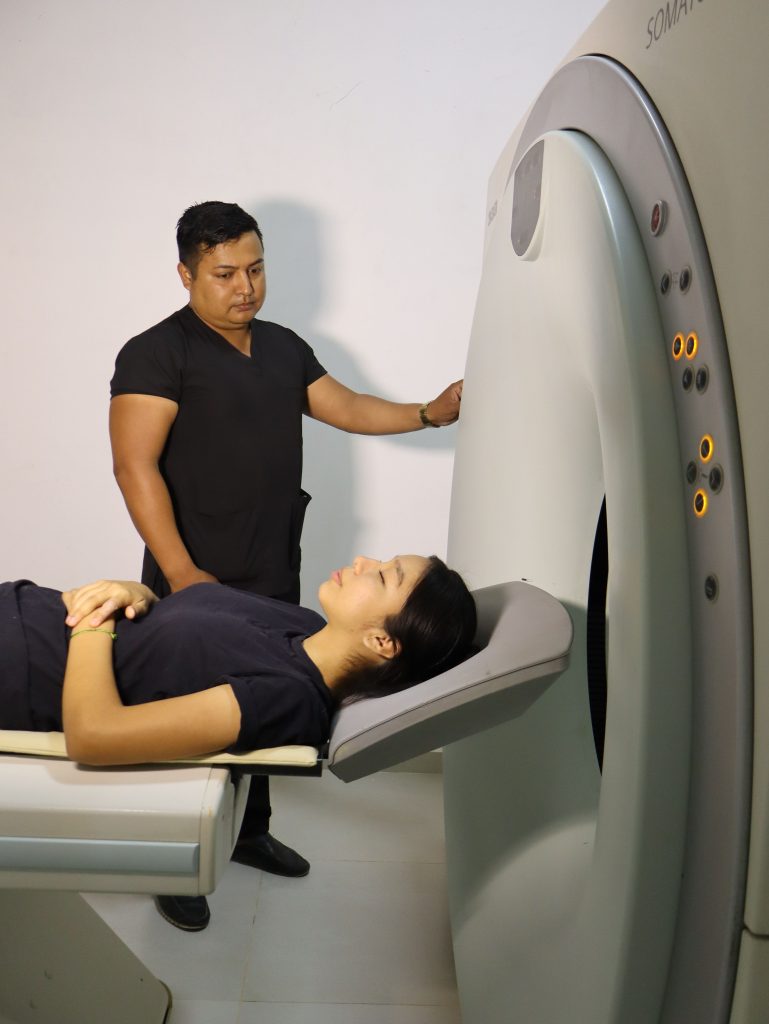
The tissues inside a healthy mouth typically have a smooth, consistent appearance. Changes in color, persistent sores, lumps, thickened tissue, or other abnormalities can sometimes indicate an underlying pathological condition and should be evaluated.
Our oral and maxillofacial surgery team can evaluate areas of concern and help determine whether additional testing, diagnosis, or treatment may be appropriate.
Signs You Should Have Evaluated
Contact our team if you notice:
- Red or white patches inside the mouth
- A sore that does not heal or bleeds easily
- A lump or thickening of the tissue
- Difficulty chewing or swallowing
- Persistent hoarseness
- A chronic sore throat
- Unexplained oral or facial discomfort
Oral Trauma & Jaw Surgery
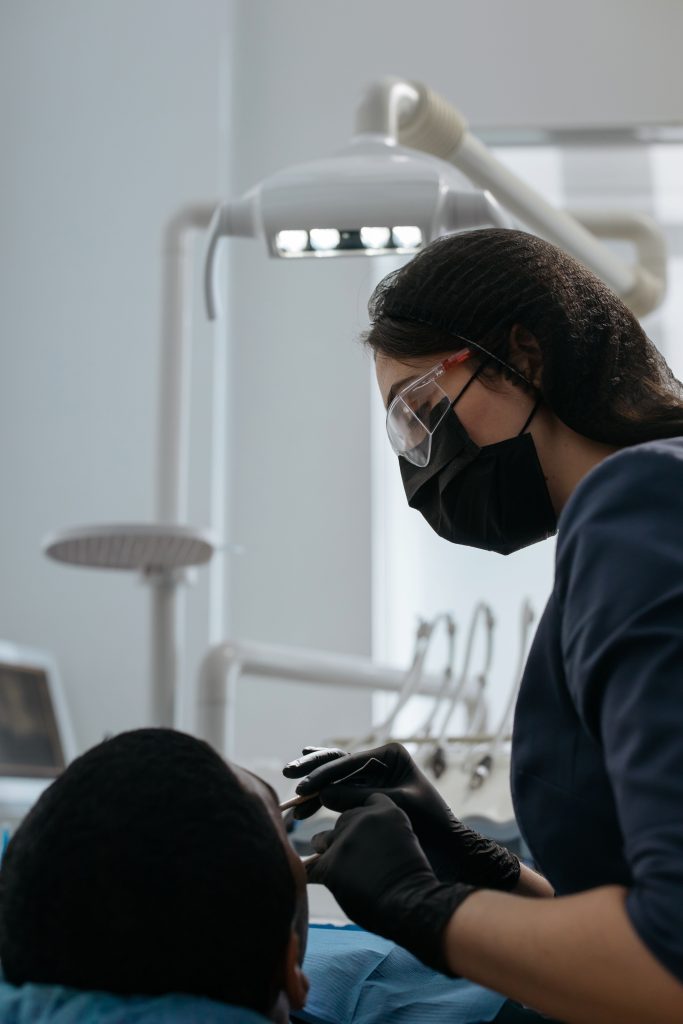
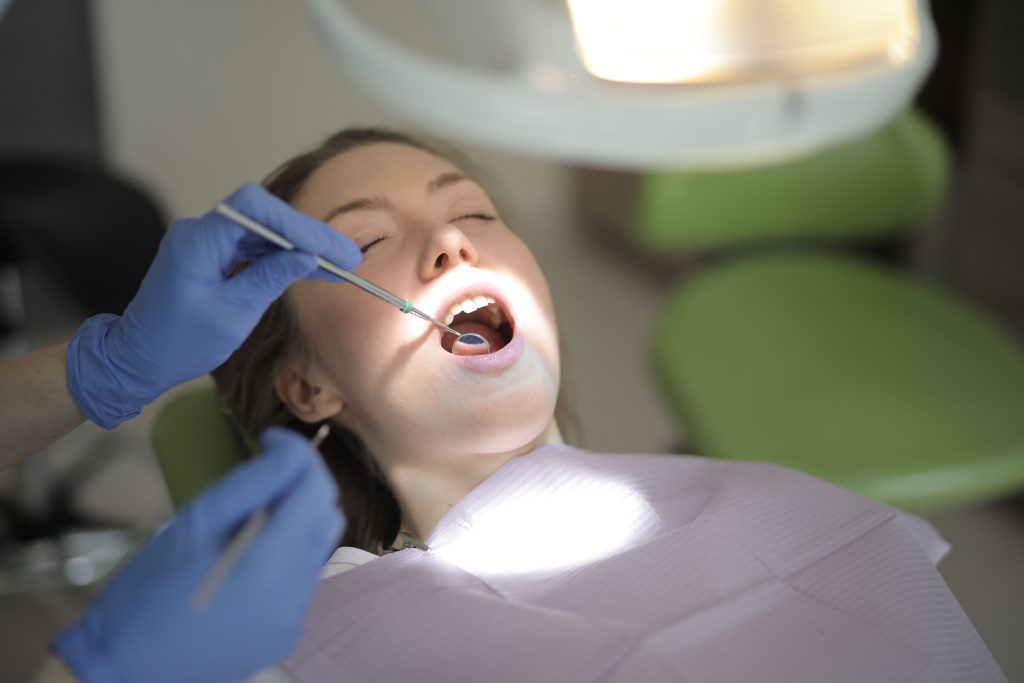
Oral and maxillofacial surgeons are specially trained to treat injuries involving the mouth, jaws, and facial structures. Facial trauma can affect patients both physically and emotionally, making experienced treatment, reconstruction, and ongoing care especially important.
NHOMS provides care for oral and facial injuries as well as corrective jaw surgery for conditions affecting jaw function, alignment, comfort, or facial structure.
Facial & Oral Trauma
Facial trauma may result from:
- Sports injuries
- Workplace injuries
- Motor vehicle accidents
- Falls
- Other accidents or injuries
Conditions treated may include:
- Facial lacerations
- Lacerations inside the mouth
- Knocked-out teeth
- Fractures of facial bones
- Fractures of the upper or lower jaw
Corrective Jaw Surgery
Corrective jaw surgery may be appropriate when the jaws are injured, improperly aligned, or when orthodontic treatment alone cannot fully correct the problem. Repositioning the jaw can help improve function while also affecting facial balance and appearance.
Jaw surgery may be considered for patients experiencing:
- Difficulty chewing, biting, or swallowing
- Speech concerns
- Chronic jaw or TMJ pain
- An open bite
- A protruding jaw
- Certain breathing problems
Sedation Dentistry
We want patients to feel safe and comfortable throughout their care. Sedation can help reduce anxiety and allow patients to remain relaxed during oral surgery, particularly for longer or more involved procedures.
The appropriate type of sedation depends on the procedure and the individual patient. NHOMS offers general anesthesia and IV sedation, with the care team determining the appropriate approach for each patient.
Why Sedation May Be Recommended
Sedation can help:
- Reduce anxiety and fear
- Keep patients comfortable during lengthy procedures
- Minimize discomfort during surgery
- Make the overall treatment experience easier for anxious patients
General Anesthesia
General anesthesia may be administered through a mask or an IV depending on the procedure and treatment plan. Sedation levels can be monitored and adjusted throughout treatment while the patient remains relaxed.
IV Sedation
IV sedation is administered directly through an IV and takes effect quickly. The level of sedation can be adjusted throughout the procedure, allowing the surgical team to help keep the patient comfortable during treatment. Patients receiving IV sedation will need someone to drive them home afterward.
Frequently Asked Questions
What is distraction osteogenesis?
Distraction osteogenesis is a surgical technique that gradually separates two areas of bone so new bone can form in the space between them. It may be used to treat certain oral and facial skeletal conditions.
When should I have a change in my mouth evaluated?
Persistent sores, red or white patches, unexplained lumps or thickened tissue, difficulty swallowing, or other unusual changes should be evaluated by a healthcare professional. Some oral pathological conditions may not cause pain.
What types of injuries can an oral surgeon treat?
Oral and maxillofacial surgeons may treat injuries including knocked-out teeth, facial and oral lacerations, fractures of facial bones, and fractures of the upper or lower jaw.
Why might corrective jaw surgery be necessary?
Corrective jaw surgery may be recommended when jaw alignment cannot be fully corrected through orthodontic treatment alone or when jaw position contributes to problems with chewing, swallowing, speech, chronic pain, bite alignment, or breathing.
What sedation options does NHOMS offer?
General anesthesia and IV sedation are available sedation options. Your surgical team will determine the appropriate approach based on your procedure and individual needs.
Specialized Care Starts with the Right Team
If you or a family member needs specialized oral or maxillofacial surgical care, our team is here to answer your questions and help you understand the next step.

The Best Services
From wisdom teeth removal to dental implants and advanced oral surgery, NHOMS provides personalized treatment designed to help every patient feel comfortable, informed, and confident in their care.
Expert Doctor
Our experienced oral and maxillofacial surgeons combine advanced training, modern technology, and compassionate care to deliver trusted surgical treatment throughout New Hampshire.